When we become parents, our lives change completely. We become more responsible, more caring, more attentive, and more protective because we are no longer living only for ourselves. A tiny life depends on us for love, care, guidance, and security. Naturally, we love our children more than anything else and always want to see them happy.
However, love alone is not enough. Along with unconditional love, we must also teach our children discipline, responsibility, and respect. These are life skills that will help them become confident, responsible, and kind individuals.
Why Discipline Is an Act of Love
Many parents believe that being strict means loving their children less. I don’t think that’s true.
Sometimes, saying “No” is one of the greatest expressions of love. As parents, we are mature enough to understand what is good and what may harm our children in the long run. Setting boundaries does not mean we love them less—it means we care enough to prepare them for life.
There is a huge difference between a child who grows up with healthy discipline and one who grows up without clear boundaries.
Screen Time: A Growing Parenting Challenge
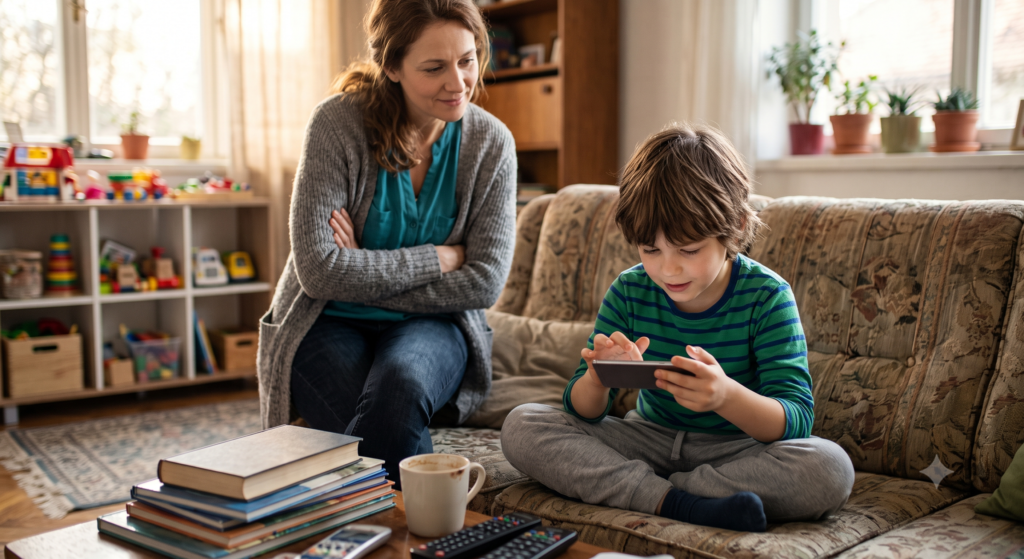
One situation many parents face today is excessive screen time.
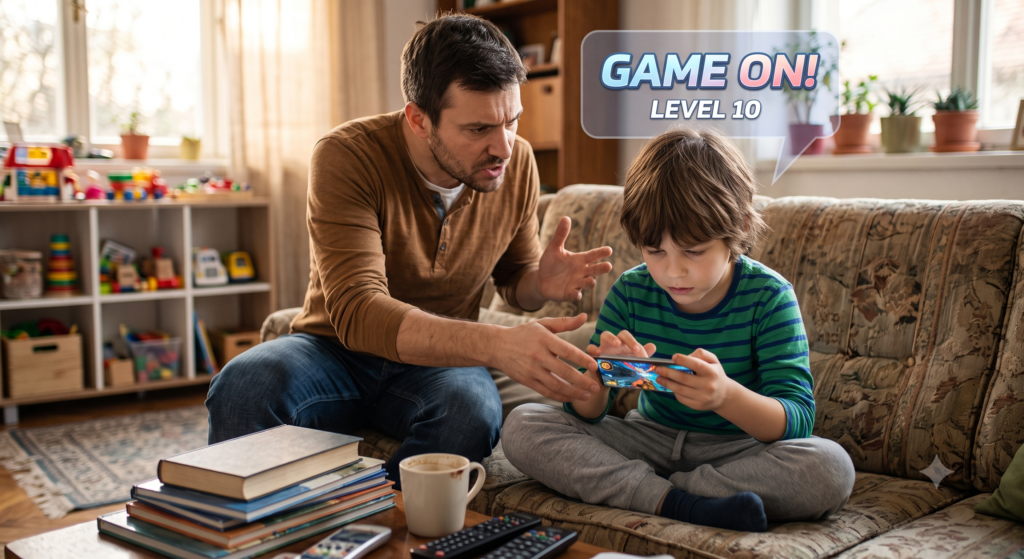
I have seen children who are 10 or 12 years old spending hours on mobile phones. When their parents ask them to return the phone, they refuse or throw tantrums. Many parents feel embarrassed, especially in front of others, and eventually give up.
Unfortunately, this has become very common.
Children are excellent learners. They observe everything around them and quickly develop habits. If healthy screen-time limits are introduced from an early age, children gradually accept them as part of their daily routine.
Consistency is the key.
Set Boundaries and Follow Through
Sometimes children become stubborn and refuse to listen.
Many parents think, “I love my child too much to be strict.” But discipline doesn’t mean hurting or frightening a child. Instead, it means allowing them to experience reasonable consequences for their choices.
For example, if your child refuses to return your phone after being asked politely, you can calmly say:
“If you don’t return the phone now, we won’t go to the park today.”
Or,
“You won’t get your favourite dessert today.”
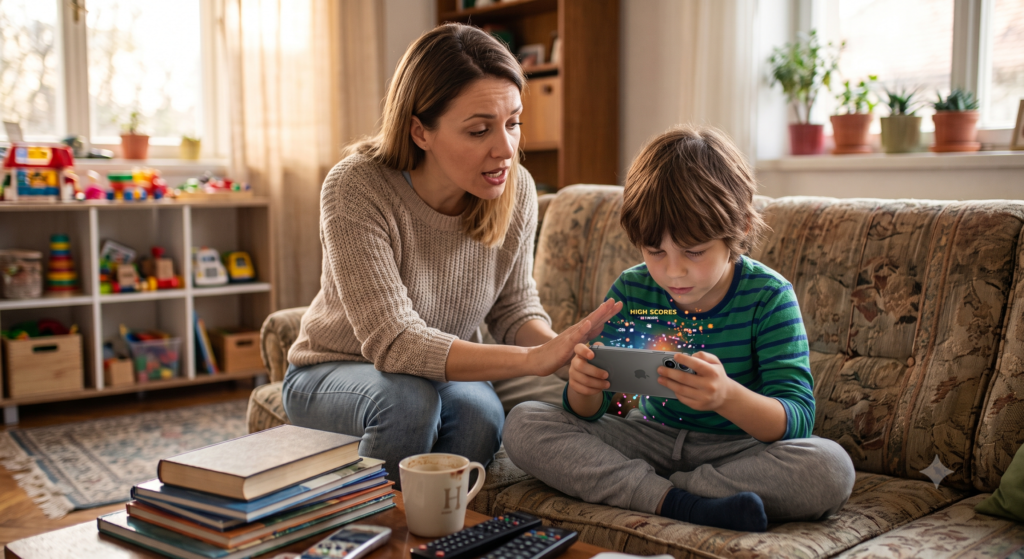
The important part is to stay calm and follow through. If parents don’t keep their word, children quickly learn that boundaries are negotiable.
Over time, children begin to understand that their actions have consequences, and they become more responsible.
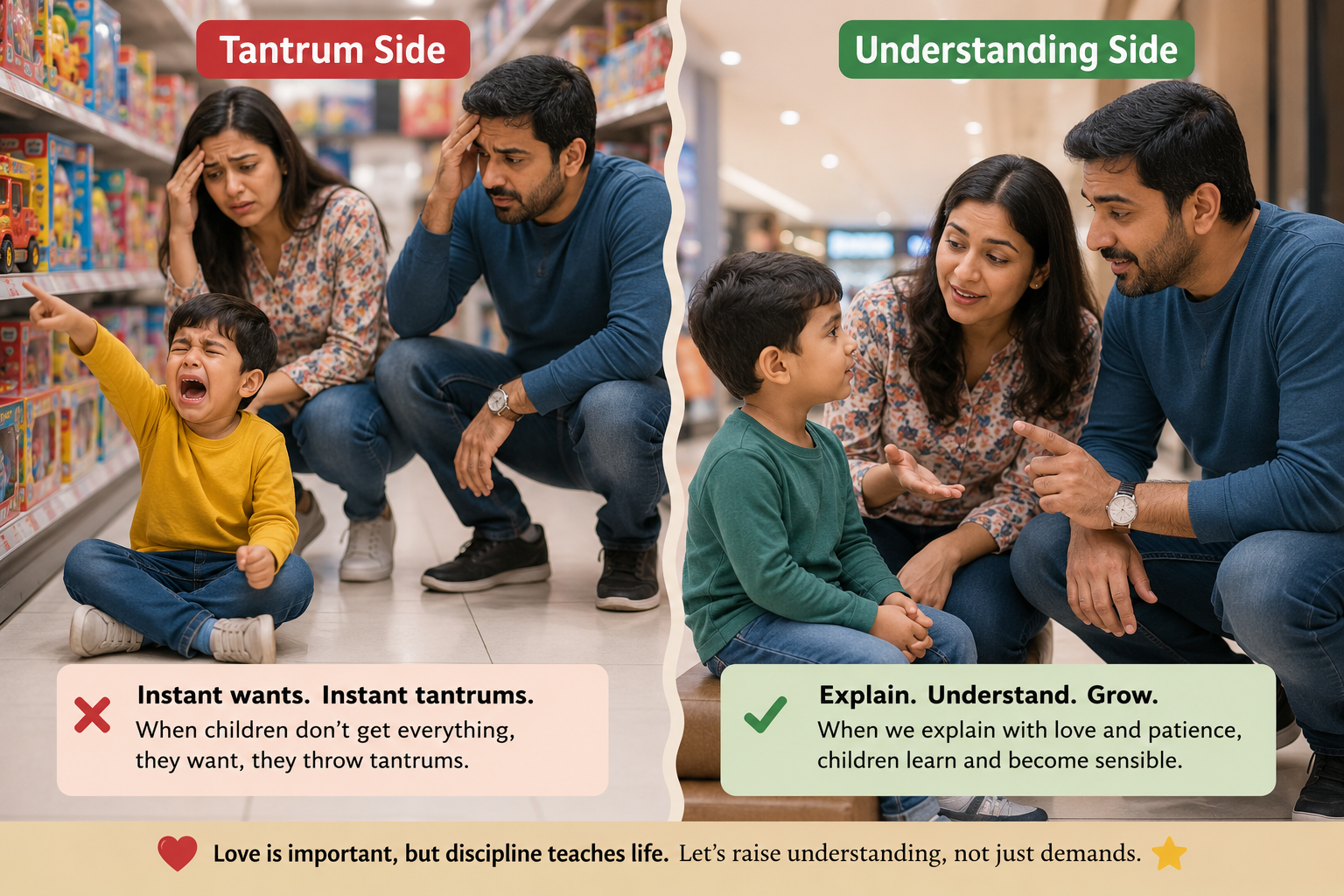
Handling Tantrums While Shopping
Another common parenting challenge happens in shopping malls or stores.
Many children demand toys, chocolates, or other things every time they go shopping. While it is perfectly normal for children to ask for things they like, it isn’t always possible—or necessary—to buy everything they want.
Sometimes children cry, scream, or throw tantrums because they know their parents may give in.
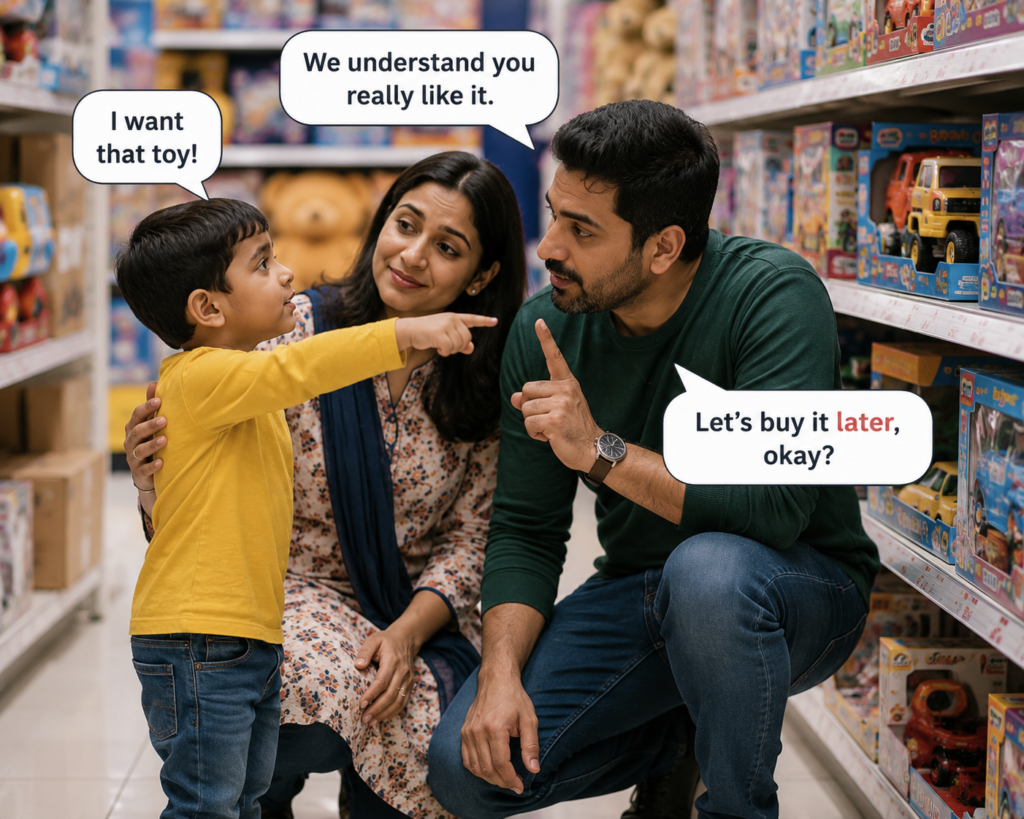
When parents repeatedly fulfil these demands just to avoid embarrassment, children may learn that tantrums are an effective way to get what they want.
Instead, stay calm and avoid giving excessive attention to the tantrum. Once your child settles down, explain why you didn’t buy the item.
You can also motivate them positively by saying:
“If you complete your homework and behave nicely this week, we’ll buy it next time.”
This teaches children that rewards come through good behaviour, patience, and responsibility.
Praise Good Behaviour
Children love appreciation.
Whenever your child behaves well, listens carefully, or makes a good choice, praise them sincerely.
Simple words like:
“That’s my good boy!”
or
“I’m so proud of how patiently you behaved today.”
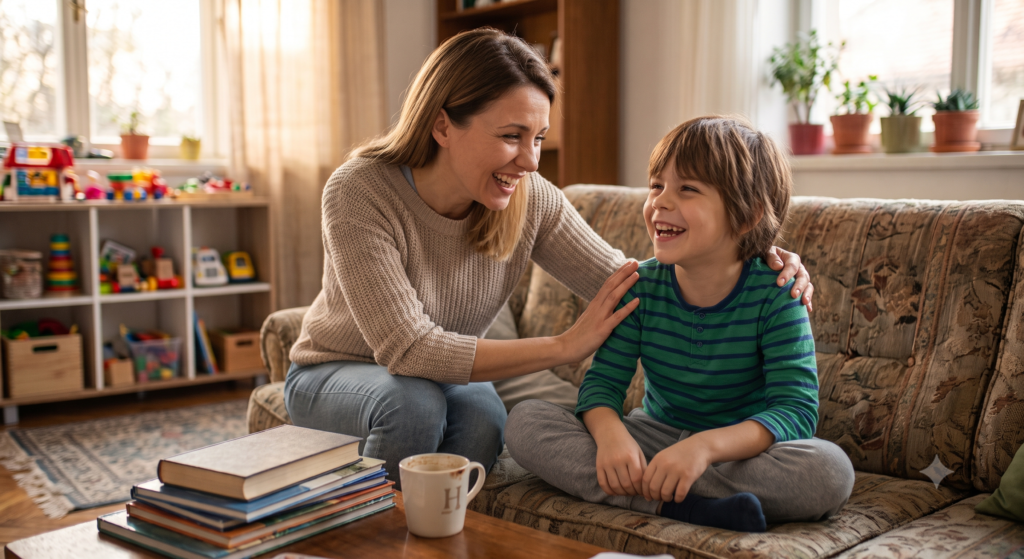
can make a huge difference.
Positive encouragement motivates children to repeat good behaviour and builds their confidence.
My Personal Experience as a Parent
I am sharing these tips because they are not just ideas—they come from my own parenting journey.
Like every parent, I have also faced challenges. Some methods worked immediately, while others took time. But one thing I have learned is that consistency, patience, and love always bring positive results.
Children may not understand every rule today, but as they grow older, they begin to appreciate the values we teach them.
Final Thoughts
As parents, our responsibility is much greater than simply making our children happy. Our real responsibility is to prepare them for life.
Children need love, but they also need discipline. They need affection, but they also need boundaries. These two things go hand in hand.
The habits we build during childhood shape their future personality, behaviour, and decision-making.
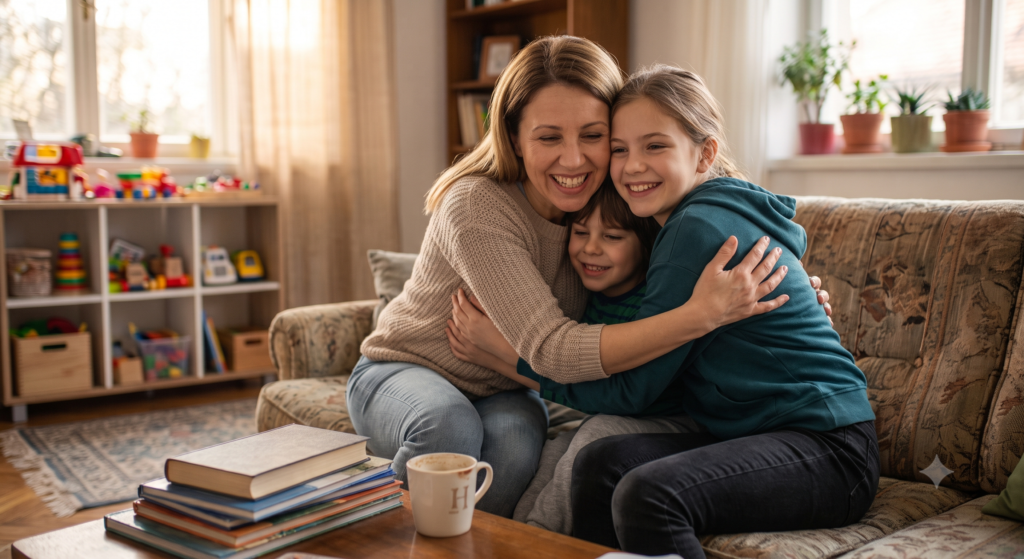
So, never feel guilty for teaching discipline with love. One day, your child will thank you for it.
Have you ever struggled with screen time, tantrums, or other parenting challenges?
I’d love to hear about your experiences. Share your thoughts in the comments below. Sometimes, discussing our parenting journeys helps all of us learn and grow together.