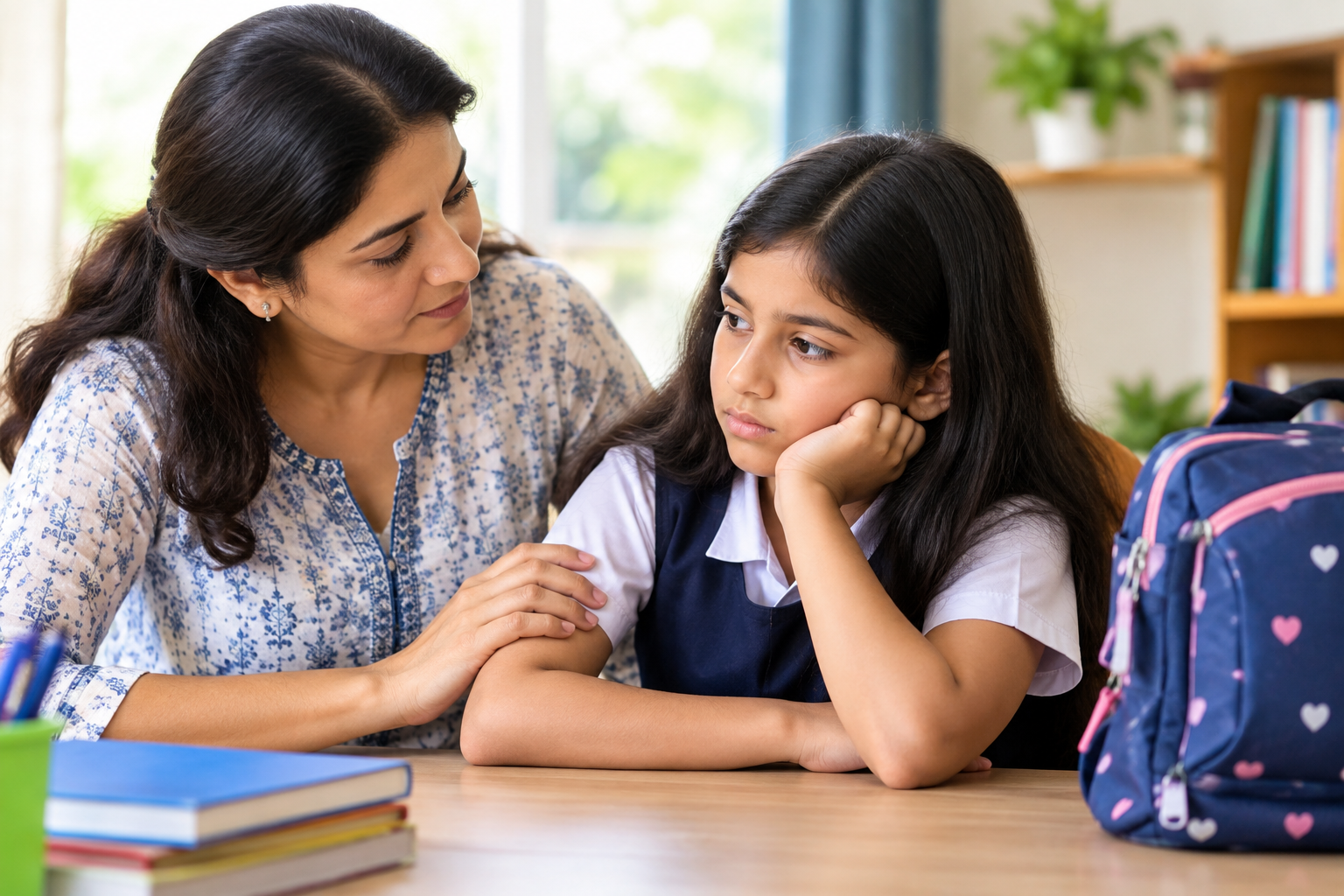
Learn how parents can help children deal with bullying in school through a personal parenting experience, practical advice, and gentle guidance.
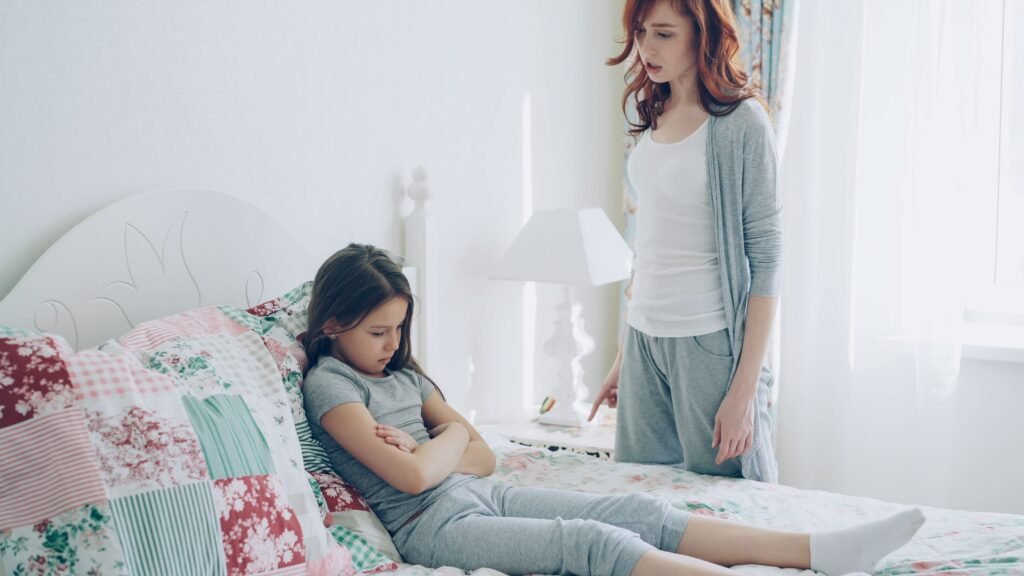
The term “bullying” is very common nowadays. We can notice it almost everywhere. It can happen in schools, workplaces, tuition classes, and even on social media. Since I usually write about parenting, I will discuss this issue in the context of children.
Bullying is quite common in schools. Children who are reserved and cannot mingle with others easily may become targets of bullying. In some cases, children who are perceived as being too proud of themselves may also face similar situations.
First, we have to understand what the term bullying means so that we can easily identify whether our children are being bullied or are engaging in bullying others. After that, we can help our children understand what they should do in either situation.
What Is Bullying?
Bullying is when a child is repeatedly insulted, belittled, or humiliated because of their looks, body shape, attitude, appearance, or other personal characteristics. Bullying can make a child feel lonely, hurt, or sad. It can also affect their self-confidence and make them afraid to express themselves.

Sometimes, we notice that our children do not want to go to school. If we ask them about it, they may simply say, “No, I don’t want to go.”
If we respond by saying, “But you have friends at school,” they may ignore the question or say, “No, I don’t have anyone.”
At that point, we need to understand that something might be happening at school. Bullying could be one of the reasons, although there may be other reasons as well.
As parents, we have a huge responsibility. Helping our children feel comfortable and safe at school is also an important part of parenting.
Yes, we can talk to the class teacher about the issue. Teachers can be a great help in such situations. But one of the most important things we can do is talk to our children, understand what they are experiencing, and help them learn how to handle the situation.
We can guide them in finding ways to deal with bullying and help them regain their confidence.
Today, I am sharing a little personal experience of mine. Perhaps some parents can benefit from it.
My Personal Experience: How I Helped My Daughter Overcome Shyness
I have always appreciated my daughter for her extracurricular activities. She is really good at art, dancing, studies, and creative activities. However, one of her weaknesses was that she could not make friends easily. Perhaps it was because of her shy nature.
But her classmates interpreted her behavior differently. They thought my daughter was proud of herself, that she was egoistic, that she did not care about anyone, and that she did not like talking to others.
However, the reality was completely different.
My daughter could not make friends easily on her own. If someone talked to her, she felt comfortable talking to them. But nobody understood her, and she continued to remain shy.

The fact is that nobody wants to feel alone. Everyone needs someone with whom they can talk and share their thoughts. Because of this misunderstanding, many of her classmates ignored her, and she felt lonely.
Often, after coming back from school, she would be upset and tell me that she did not have any friends at school.
So, one day, I decided to talk to her about it.
I asked her, “You talk to them, but they don’t talk to you? Are they avoiding you?”
Then she replied, “No. I don’t talk to them, and they don’t talk to me either. Actually, they already have their own friend circles, so they don’t want me to join them.”
Here, I have to mention one thing: my daughter joined the school in Class 2. At that time, she was new to her classmates, and they were new to her as well.
Then I told her, “You are the new student. Nobody knows you yet. So, you should talk to them first, and then they may start talking to you as well. They don’t understand you. They think you are a reserved girl who doesn’t like talking to others.”
I also told her, “Someone has to take the initiative. So, you should take the initiative now, and I hope the situation will change.”
I noticed that she listened to my advice very attentively but did not say anything.
However, there is one thing I have always noticed about my daughter: she trusts me a lot. Now she is in Class 8, but whenever she needs a solution to a problem, she comes to me and listens to me very carefully.
After that day, she started talking to her classmates little by little.
It took a long time because, as I have already mentioned, she was a shy girl. Some days, she was very happy, while on other days, she was sad because the friends she had made were absent from school.
But that is common. It is possible that a friend may be absent on any given day.
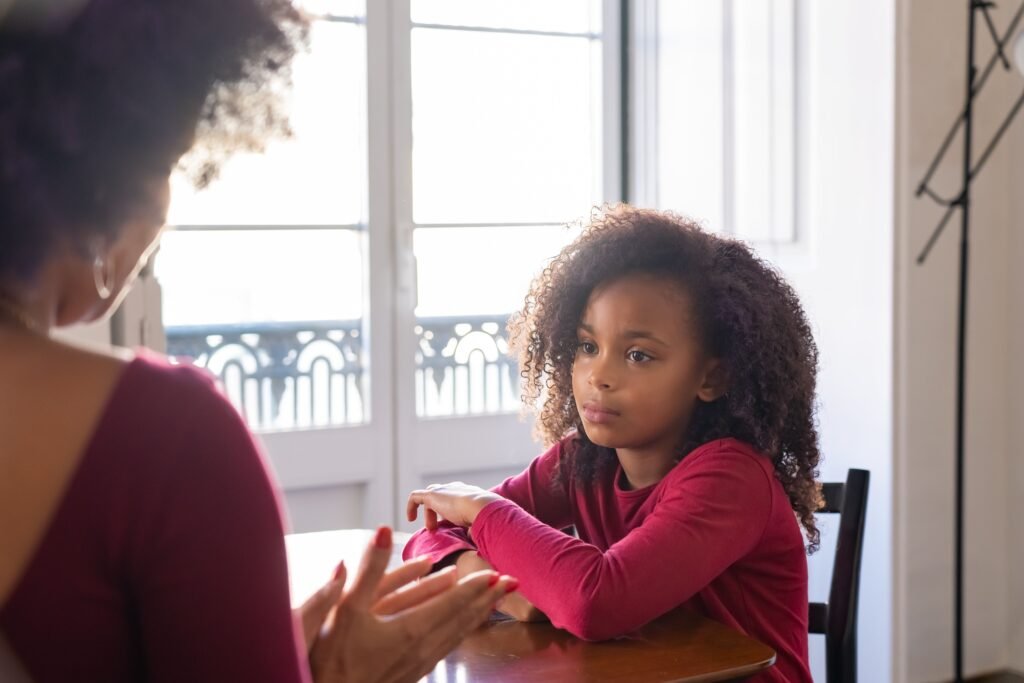
So, once again, I helped her understand the situation. I told her, “Whoever is present in your class is someone you can talk to and spend time with. They may not all become your close friends because your thoughts and interests may not match everyone’s. But you can still spend time with them.”
I also told her something that I believe is important for every child to understand:
“Always remember one thing: what you give is what you may receive in return. So, you should be kind to everyone. You should help others whenever you can because you never know when you might need their help.”
After that, she continued following my advice.
How My Daughter Changed Over Time
Everything I have shared happened when my daughter was studying between Classes 2 and 5.
As I have already mentioned, she is now in Class 8, and I can confidently say that she has changed a lot.
She is no longer as shy as she used to be. Now, she talks to her classmates and helps others whenever she can.
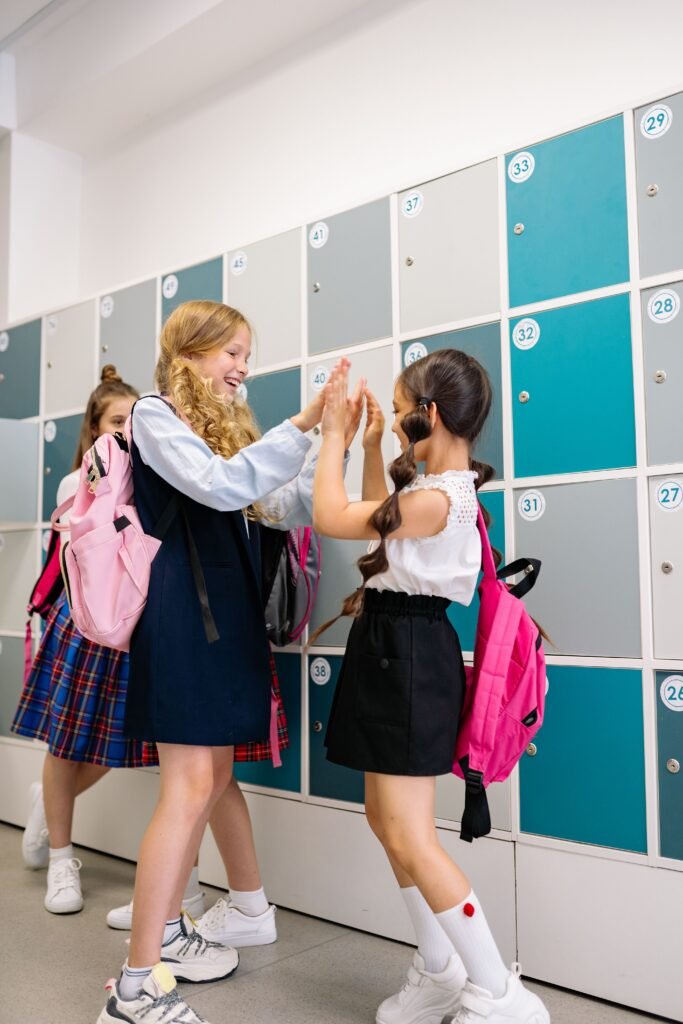
The loneliness and difficulties she experienced because of misunderstandings among her classmates are no longer the same part of her school life.
This experience taught me that sometimes children need a little guidance, encouragement, and understanding to overcome their difficulties. What looks like arrogance or indifference to others may actually be shyness or a lack of confidence.
As parents, we should try to understand what our children are going through before judging their behavior.
How Can Parents Help Children Deal With Bullying?
As responsible parents, we can play an important role in helping our children deal with bullying and other difficulties at school.
If your child says that they do not feel comfortable at school, first ask them about the reason. Do not ignore their concerns. Listen carefully and try to understand what they are experiencing before taking the necessary steps to help them.
If your child is bullying other children, help them understand how their behavior can hurt someone else. Ask them to imagine how they would feel if someone treated them in the same way. Encourage them to develop empathy, respect others, and take responsibility for their actions.
By doing this, you are not only helping your own child become a better person but also helping protect other children who may be experiencing bullying.
On the other hand, if your child is being bullied, listen to them patiently and take their concerns seriously. Talk to the class teacher or school authorities when necessary, and work together to find a solution. Help your child understand that being bullied is not their fault and that they do not have to face the situation alone.
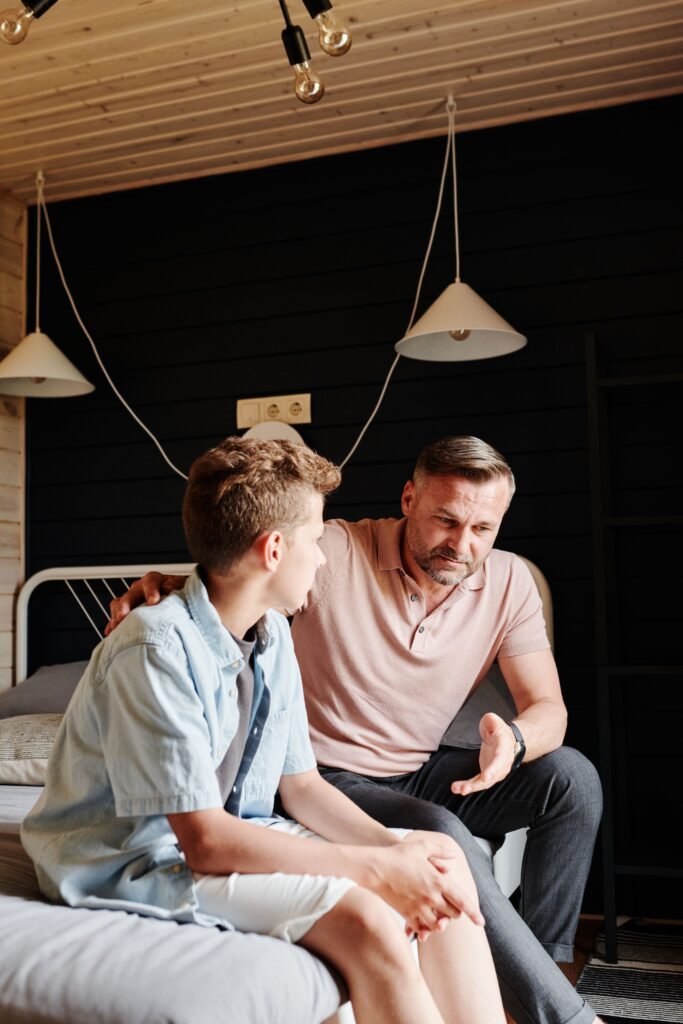
You know your child better than many other people do. Therefore, use words and approaches that you believe will help your child understand the situation and feel supported.
However, I am not saying that this process will work 100 per cent for every child because all children are different. I can only request you to try these approaches and see whether they help your child.
If they work, that is really good. But if they do not work for your child, you may need to consider another approach that better suits their needs.
Also, remember that bullying is not always something a child can resolve simply by changing their behavior or making more friends. If the bullying continues, involves threats or physical harm, or seriously affects your child’s emotional well-being, seek help from the school authorities and a qualified child counsellor or mental health professional. Your child’s safety should always come first.
Whatever I have shared here is based on my own experience. I am simply sharing what I learned as a parent who once went through a similar situation with her child.
For further guidance, you can also seek advice from a qualified counsellor, your child’s pediatrician, or another appropriate professional who understands your situation.
A Small Request to All Parents
Have you ever experienced a situation like mine? Has your child ever felt lonely at school, struggled to make friends, or experienced bullying?
If yes, please do not hesitate to share your experiences in the comments section below. Your experience may help other parents who are going through a similar situation with their children.
Sometimes, a parent’s experience can become a source of strength and guidance for another parent.
Let’s support one another and help our children grow up in a kinder, safer, and more understanding environment.