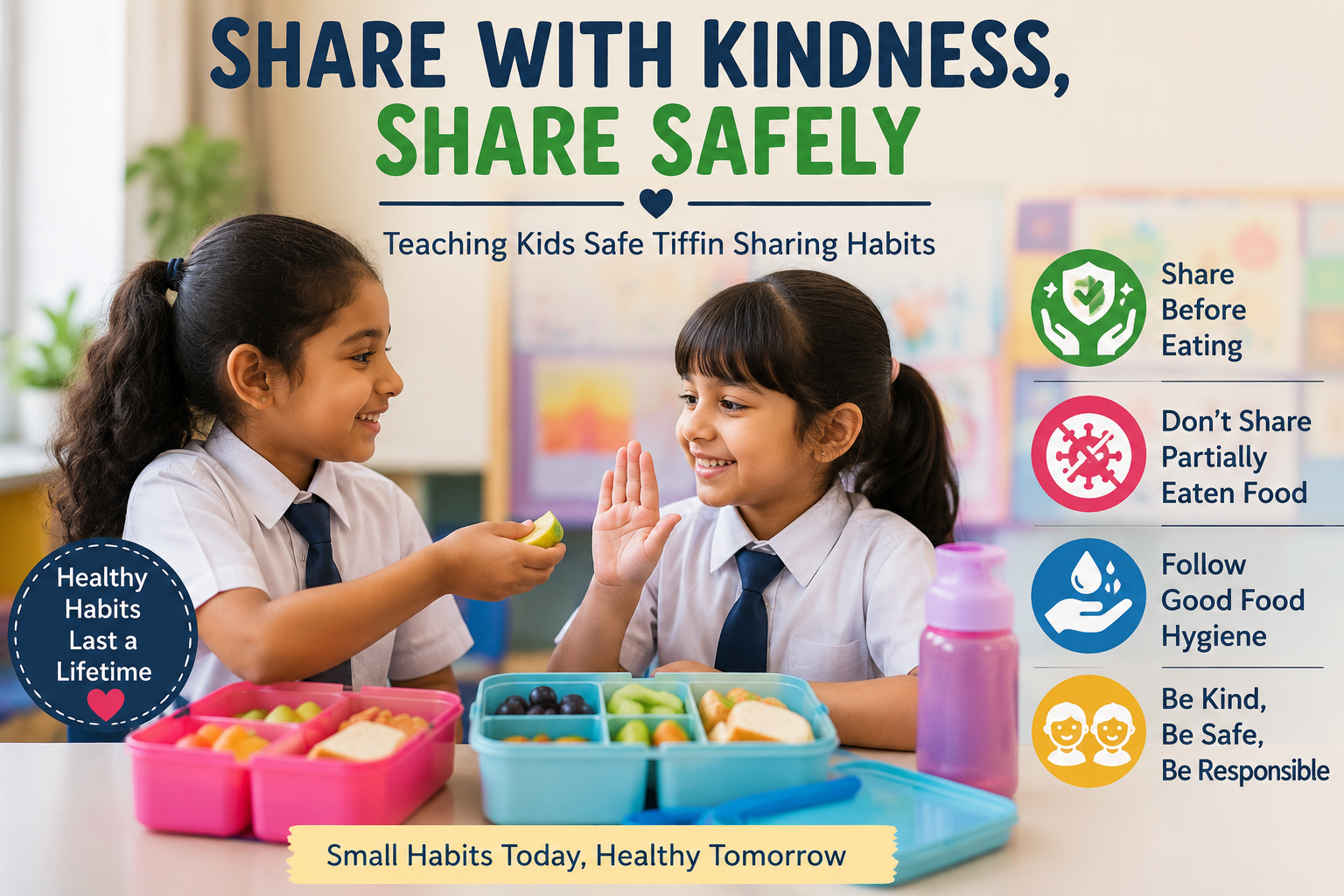
Sharing is caring, but is it always safe? Learn simple tiffin-sharing and food hygiene rules every parent should teach their child.
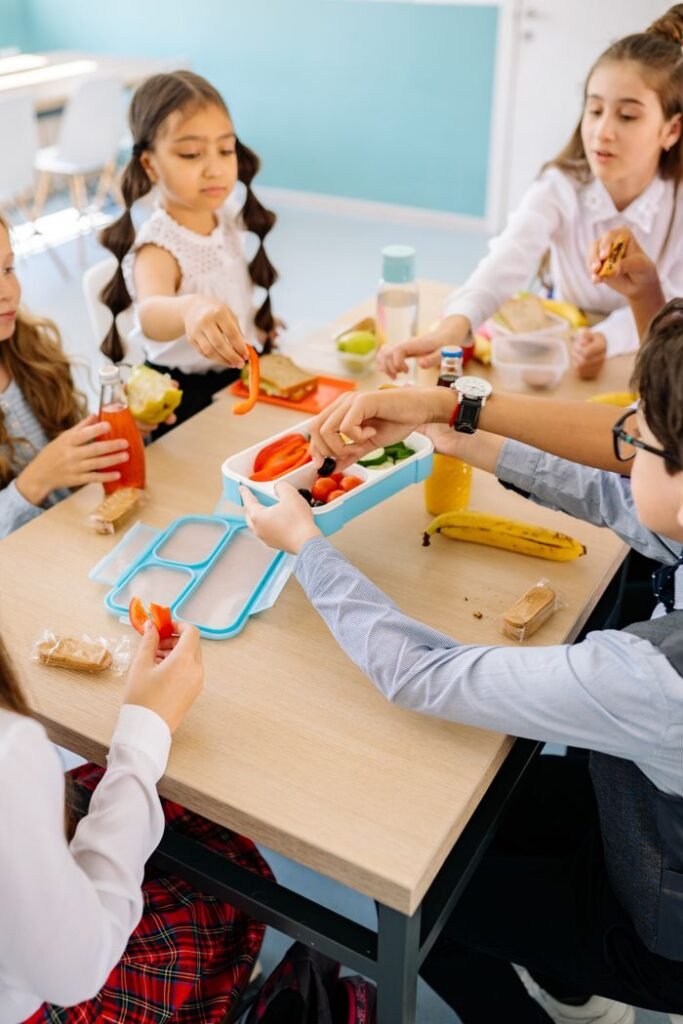
Parenthood is not a chapter that can be learned from a single book. Every stage of raising a child brings new situations, new questions, and sometimes even confusion.
As parents, we constantly try to teach our children good habits. We teach them to be polite, disciplined, kind, helpful, and respectful towards others. One of the earliest lessons we teach is “sharing is caring.”
Sharing toys, books, stationery, and other belongings can certainly help children develop friendship, kindness, empathy, and a willingness to help others.
But have you ever wondered whether children should share everything with their peers?
What about their tiffin or school lunch?
This is something that made me think.
Is Sharing Food Always a Good Habit?
We encourage children to share because it can strengthen their bond with friends. A child who shares may learn to care about others and understand the importance of helping people.
Schools also encourage children to share and cooperate with their classmates.
But food is slightly different.
Children are naturally curious. During tiffin time, one child may notice that their friend has something delicious and say, “Can I taste it?”

The other child may happily offer a bite.
For children, this is completely innocent. They are not thinking about germs, hygiene, or the possibility of spreading an infection. They are simply enjoying their food and sharing it with a friend.
However, sharing food that has already been bitten or eaten from can create a hygiene concern.
For example, if a child takes a bite from a sandwich and then gives that same sandwich to another child, germs from the child’s mouth can potentially be transferred through the food.
Young children usually don’t understand this. They need to be taught.
Children Need to Learn the Difference Between Sharing and Safe Sharing
This doesn’t mean that we should completely stop children from sharing food.
Instead, we can teach them how to share food safely.
For example, if a child wants to share their tiffin with a friend, they can offer a separate portion before they start eating.
But once they have taken a bite from a piece of food, that same piece should not be passed to another child.

This may sound like a very small rule, but teaching such simple habits can help children become more aware of food hygiene and personal hygiene.
What Can Parents Teach at Home?
School plays an important role in teaching children about hygiene, but lessons learned at school become much stronger when parents practise the same habits at home.
We can explain to our children in simple language:
“You can share your food with your friends, but don’t give someone food that you have already bitten or eaten.”
We can also teach them not to share things such as partially eaten food or food that has been directly touched by their mouth.
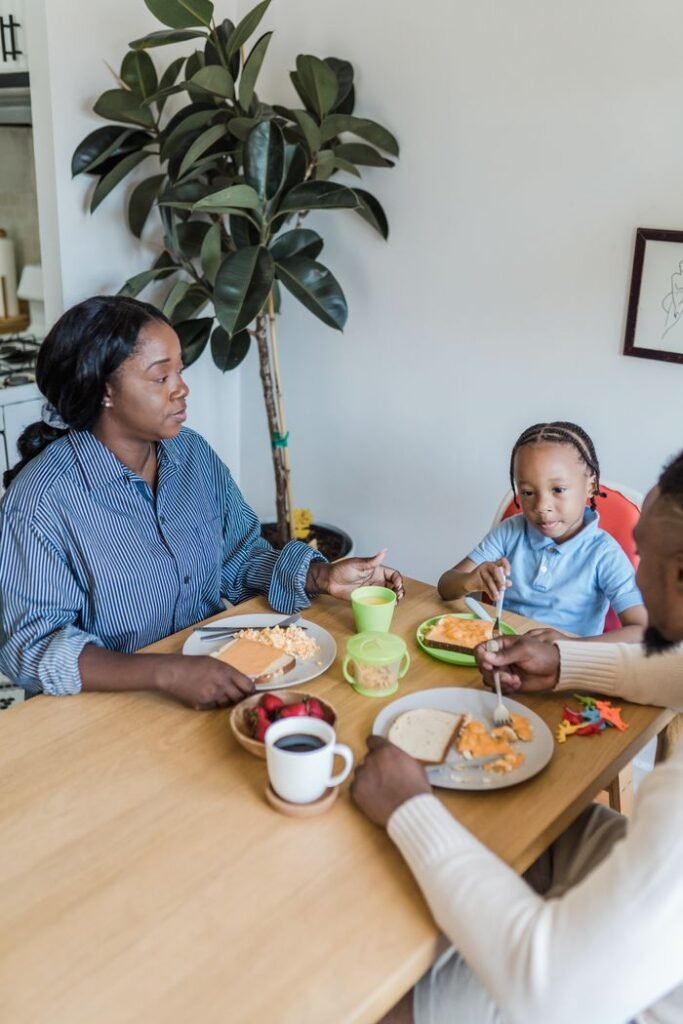
Children learn much better when we demonstrate these habits instead of simply giving them instructions.
If we follow the same rule at home, children are more likely to follow it at school.
Children Learn by Watching Other Children
There is another interesting aspect of childhood behaviour.
Children don’t learn only from parents and teachers. They also learn by observing other children.
They often imitate their friends’ behaviour.
So, if one child starts practising safe tiffin-sharing habits, another child may notice and follow the same behaviour.
For example, if a child says, “I’ll give you a fresh piece, but don’t eat from the piece I’ve already bitten,” it may encourage their friends to understand the same rule.
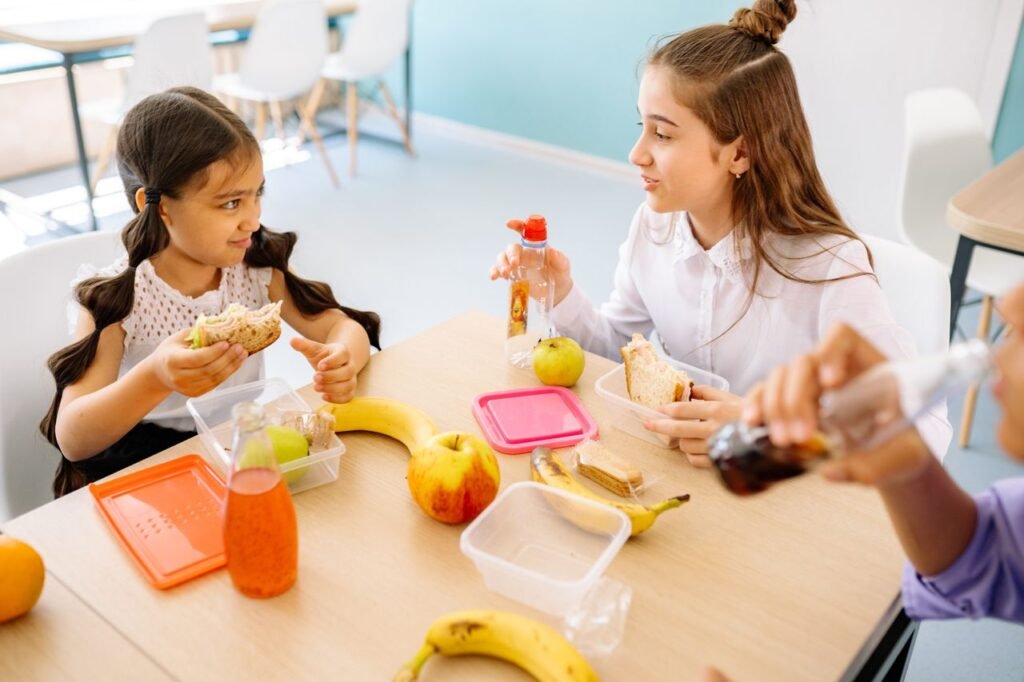
In this way, one child’s healthy habit can influence another child.
What About Sharing Tiffin at School?
Teachers also have an important role to play here.
Many schools already teach children about hygiene, cleanliness, and appropriate food-sharing practices. Teachers can gently remind children not to share food directly from their mouths or exchange partially eaten food.
But children need consistency.
When the same message comes from parents, teachers, and their surroundings, it becomes easier for them to understand and practise the habit.
We don’t need to frighten children by talking excessively about germs. Instead, we can make the explanation simple and age-appropriate.
Something as simple as:
“Sharing is good, but we should share food in a clean and safe way.”

can be enough to begin the conversation.
We Should Practise What We Teach
Children are excellent observers.
If we tell them not to share partially eaten food but do exactly that ourselves, they may become confused.
So, this lesson should begin at home.
When we follow good food hygiene practices in our everyday lives, children naturally observe us and learn.
After all, children don’t just listen to what we say—they watch what we do.
Sharing Is Caring—but Safe Sharing Matters Too
I don’t think the lesson should be “Don’t share your food.”
Instead, perhaps the better lesson is:
“Share with kindness, but share safely.”
Children should learn the joy of sharing while also understanding basic hygiene.
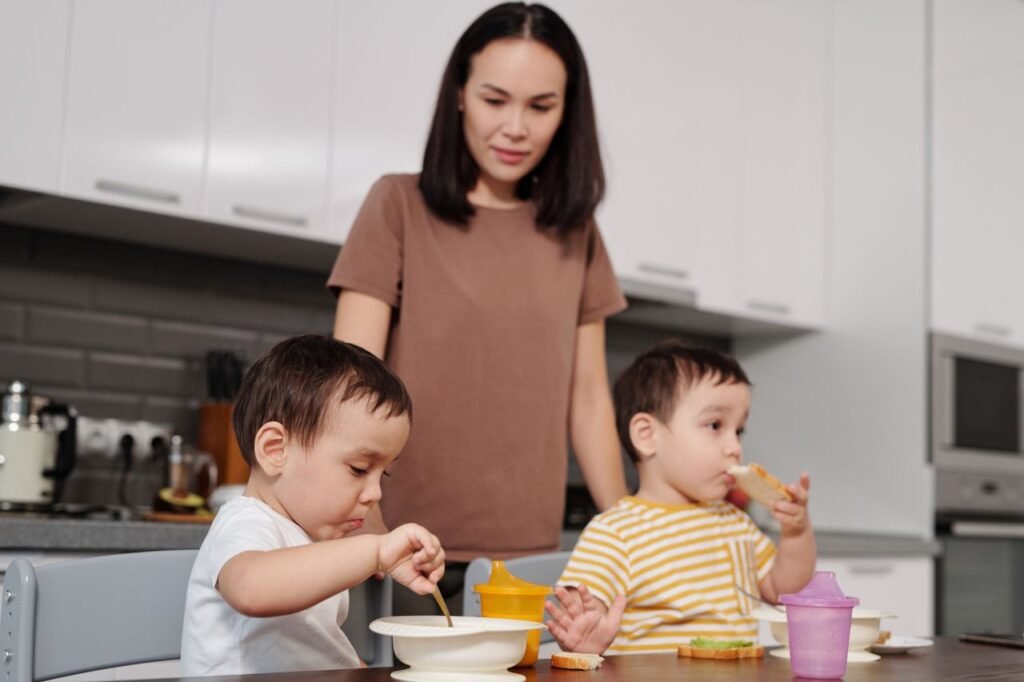
Teaching children about safe food sharing is not about making them fearful of germs or stopping them from enjoying friendships. It is about helping them develop healthy habits that they can carry into school and everyday life.
And if our children practise these habits, they may unknowingly influence their friends to do the same.
One small habit can sometimes create a much bigger impact.
What Do You Think?
As parents, we often discover that there is no simple answer to every parenting question.
Should children share their tiffin with friends? What food-sharing rules do you follow at home? Have you ever discussed safe food sharing and hygiene with your child?
I’d genuinely love to hear your thoughts and experiences.
Please share your opinion in the comments. Your experience may help another parent who is facing the same question.
5 responses to “Should Children Share Their Tiffin? A Parent’s Guide”
[…] Time in Children: Healthy Limits Every Parent Should Knowhttps://ritusamhita.com/Should Children Share Their Tiffin? A Parent’s Guidehttps://ritusamhita.com/How to Motivate a Child to Study: A Real Parenting […]
[…] Time in Children: Healthy Limits Every Parent Should Knowhttps://ritusamhita.com/Should Children Share Their Tiffin? A Parent’s Guidehttps://ritusamhita.com/When Your Child Thinks Dad Loves Him Morehttps://ritusamhita.com/When My […]
[…] find something that inspires, comforts, or helps you along the way.https://ritusamhita.com/Should Children Share Their Tiffin? A Parent’s Guidehttps://ritusamhita.com/The Parenting Mistake My 4-Year-Old Exposed: A Lesson Every Parent Should […]
[…] find something that inspires, comforts, or helps you along the way.https://ritusamhita.com/Should Children Share Their Tiffin? A Parent’s Guidehttps://ritusamhita.com/The Parenting Mistake My 4-Year-Old Exposed: A Lesson Every Parent Should […]
[…] find something that inspires, comforts, or helps you along the way.https://ritusamhita.com/Should Children Share Their Tiffin? A Parent’s Guidehttps://ritusamhita.com/Why Parents Should Monitor Children’s Screen […]