
Learn how parents can motivate children, build their confidence, and help them overcome self-doubt while balancing studies and extracurricular activities.

Parenting is a journey filled with beautiful moments, unexpected challenges, and valuable lessons. Every day, we learn something new about our children and discover different ways to support them.
Through my parenting blog, I always try to share my experiences, the challenges I have faced, and how I have tried to overcome them. My hope is that these experiences will help other parents who may be facing similar situations.
Today, I want to talk about something every parent should understand: the importance of motivation and encouragement in a child’s life.
Childhood Is a Journey of Learning and Challenges
Childhood is not just about going to school, completing homework, or participating in extracurricular activities. It is a journey where children learn new things, face difficulties, overcome challenges, and gradually prepare themselves for the bigger responsibilities of the future.
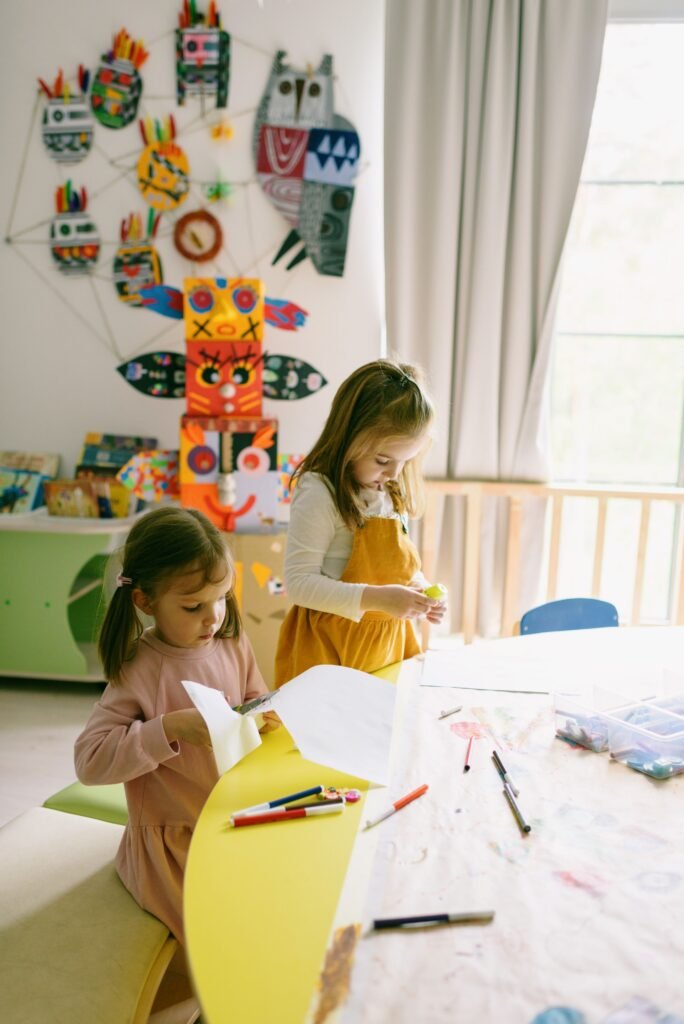
As parents, we want our children to do well in every field. We encourage them to study, learn new skills, and explore their interests. Some children love music, some enjoy dancing, while others are interested in swimming, football, cricket, or other activities.
But managing everything together is not always easy.
The Pressure of Studies and Extracurricular Activities
Nowadays, children often have to balance academics with various extracurricular activities. Along with schoolwork, homework, tuition, and examinations, many children also spend time developing their favorite skills.
These activities can be wonderful for a child’s growth, but balancing them with studies can sometimes become difficult.
A child who loves dancing may not get enough time to practice because of schoolwork. Another child who enjoys cricket may have to miss practice because of examinations. Some children may want to learn music, swimming, or another skill but struggle to find enough time.
When children cannot give their best in every field, they may begin to feel disappointed.
Sometimes, they start comparing themselves with others.

“Why can’t I do better?”
“Everyone else is doing so well. Why am I struggling?”
“Maybe I am not good enough.”
These thoughts can affect a child’s confidence and motivation.
Are Children Really Not Good Enough?
Of course not!
A child struggling to balance studies and extracurricular activities does not mean that the child lacks talent or potential.
Sometimes, children simply have too many responsibilities, too little time, or unrealistic expectations of themselves.

The competition in academics and other fields can also make children feel that they must be perfect everywhere. When they cannot achieve everything they want, they may become frustrated, discouraged, or emotionally overwhelmed.
These feelings are especially common during the tween and teenage years, when children are growing, developing their identities, and becoming more aware of the expectations around them.
This is where parents can play an important role.
Parents Can Help Children Regain Their Confidence
We cannot remove every challenge from our children’s lives.
We cannot reduce every academic demand or change the 24 hours in a day into 27 hours. We cannot make every competition easier or guarantee that our children will always succeed.
But there is something valuable we can do.

We can encourage our children. We can motivate them. We can remind them of their potential and help them regain the confidence they may have lost.
When a child feels helpless, a few comforting words from a parent can make a difference.
When a child feels discouraged, a gentle hug can provide reassurance.
When a child thinks, “I can’t do this,” we can hold their hand and say:
“You may be finding it difficult right now, but that doesn’t mean you cannot do it.”
Sometimes, children do not need a long lecture. They simply need someone to listen to them, understand their feelings, and remind them that they are not alone.
Encouragement Can Change a Child’s Perspective
Motivation is not about forcing children to work harder or expecting them to achieve everything immediately.
True encouragement helps children look at their challenges from a different perspective.
A child who believes they are not good at something may stop trying. But when parents encourage them, appreciate their efforts, and help them recognize their strengths, they may begin to see new possibilities.

For example, a child who struggles with academics but loves music may feel that they are not good at anything. Instead of focusing only on the marks, parents can help the child understand that every individual has different strengths.
Similarly, a child who is unable to perform well in a favorite sport may need reassurance that one disappointing performance does not define their ability.
A child’s worth is not determined by marks, medals, trophies, or achievements alone.
Every child has unique abilities, interests, and a different pace of learning.
Our responsibility as parents is to help them recognize those strengths while supporting them through their difficulties.
Parents: Friends, Philosophers, and Guides
As parents, we are not only responsible for fulfilling our children’s needs and providing them with opportunities. We also have an important emotional responsibility.
Children need their parents when they are happy, but they need them even more when they feel lonely, discouraged, or helpless.
They need someone who will listen without immediately judging them.
They need someone who will encourage them when they lose confidence.
They need someone who will remind them that making mistakes is a part of learning.

We often say that parents are the first teachers of their children. I believe we are also their friends, philosophers, and guides.
Our children should know that they can come to us not only with their achievements but also with their failures, worries, and fears.
When they feel that their parents are standing beside them, they may find the courage to face challenges with greater confidence.
Teach Children to Believe in Themselves
Every child needs encouragement, but encouragement should be realistic and supportive.
We should not tell our children that they can achieve absolutely anything without effort or preparation. Instead, we should help them understand that improvement takes time, determination, practice, and patience.

We can teach them to:
- Believe in their abilities.
- Accept that mistakes are a part of learning.
- Set realistic goals.
- Understand their strengths and weaknesses.
- Celebrate small improvements.
- Ask for help when they need it.
- Take proper rest and make time for things they enjoy.
When children learn these lessons, they gradually develop resilience—the ability to face difficulties and keep moving forward.
A Few Words of Encouragement Can Make a Difference
Sometimes, we underestimate the power of our words.
A simple sentence like:
“I believe in you.”
“You don’t have to be perfect.”
“Let’s try again together.”

“You are doing your best, and I am proud of your effort.”
can help a child feel understood and supported.
Of course, motivation cannot solve every problem. If a child is experiencing persistent sadness, anxiety, or significant distress, parents should take those feelings seriously and seek appropriate professional support when needed.
But in everyday parenting, our encouragement, patience, and emotional presence can help children feel more secure as they navigate challenges.
Final Thoughts
Childhood is a beautiful journey, but it is not always easy.
Our children will face difficulties. They will experience failures, disappointments, competition, and moments when they doubt themselves.
We cannot protect them from every obstacle. But we can teach them how to face those obstacles with courage.
We can remind them that one failure does not define them, one difficult subject does not determine their intelligence, and one disappointing performance does not mean they are incapable of success.
Every child needs someone who believes in them, especially when they struggle to believe in themselves.

As parents, let us be that person.
Let us encourage our children, support their dreams, respect their individual strengths, and remind them that they do not have to be perfect to be worthy of love and appreciation.
Because sometimes, the greatest gift we can give our children is not another lesson, another activity, or another achievement.
It is the confidence to say:
“I may face difficulties, but I can learn, improve, and try again.”
And when our children need us, let us always be there to hold their hands and remind them that they are never alone.
What do you think?
Do you believe motivation and encouragement can help children overcome self-doubt and perform better in academics and extracurricular activities?
Have you ever encouraged your child during a difficult phase of their life?
Please feel free to share your thoughts in the comment section. I would love to hear your experiences too. ❤️