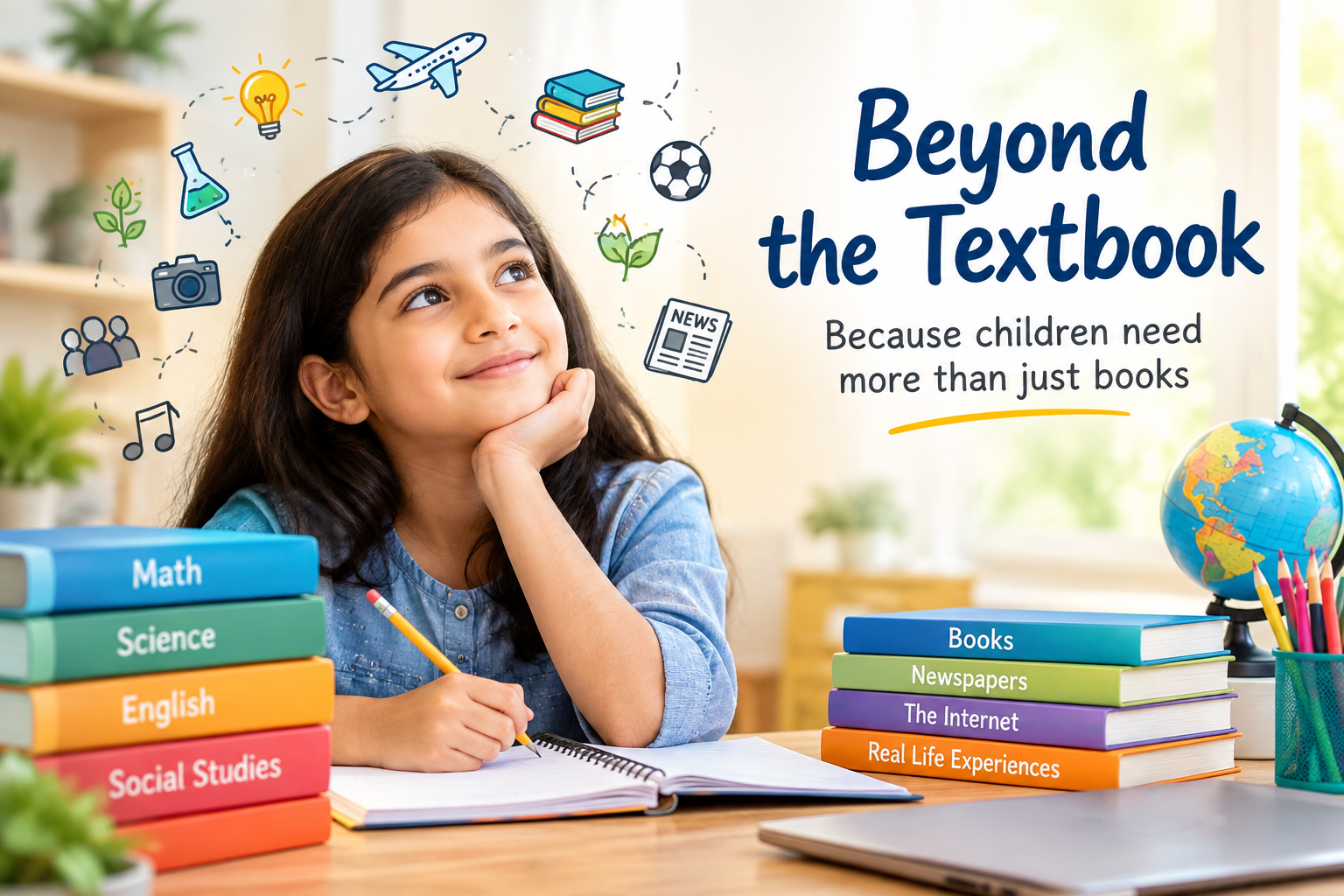
Textbook knowledge alone is not enough for the proper growth of children. We, as parents, should encourage them to adapt to the real world as well.

In today’s world, academic pressure on children is increasing day by day. As children grow older, they have more subjects to study, more concepts to understand, and more information to remember. The level of education is also changing rapidly.
I often observe this with my own children, especially my daughter, who is currently in Class 8. Some of the concepts she is learning now are similar to what we were introduced to much later, perhaps in Class 10. Children today are certainly learning many things earlier than we did.
But this makes me wonder—are school textbooks enough for a child’s overall development? Is knowing the contents of different subjects enough to make a child knowledgeable?
From my perspective, the answer is no.
Textbook Knowledge Is Important, But It Is Not Everything
School textbooks provide children with essential academic knowledge. They teach them mathematics, science, languages, social studies and many other important subjects. Good academic knowledge is certainly necessary for a child’s education.
But knowledge is much broader than what is written in a textbook.
Let us take a simple example.
Imagine a child knows the word “cricket” because it is mentioned in a textbook as one of the different types of games. The child knows that cricket is a sport, but has never watched a cricket match, played the game, or learned how it is played.
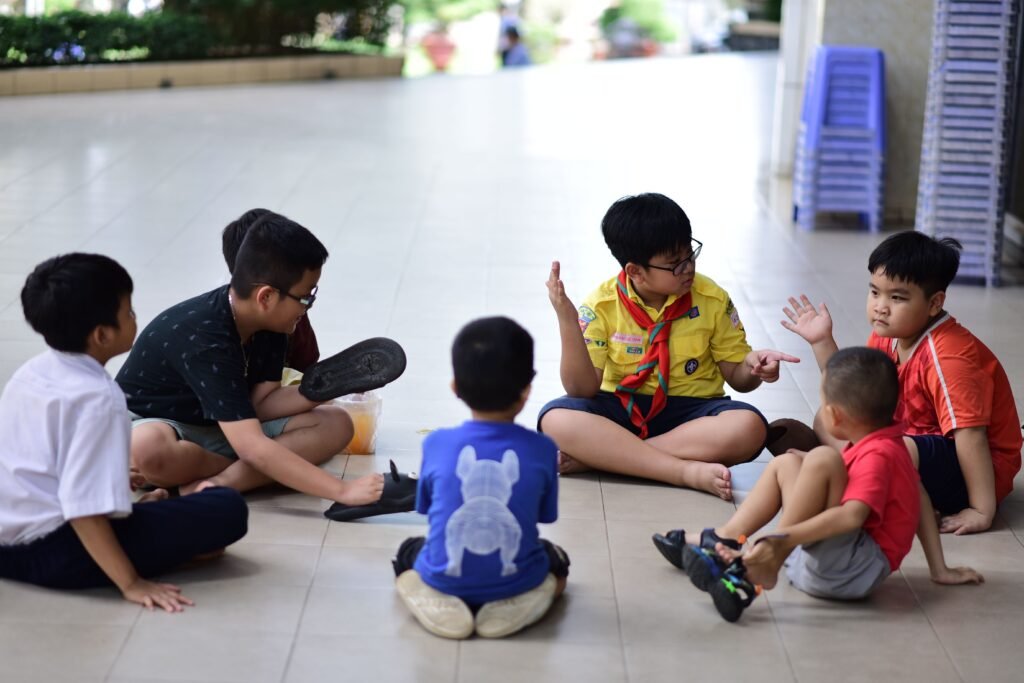
Now imagine that the child is sitting with a group of friends who are discussing cricket. Everyone is talking about batting, bowling, wickets and different players, but the child doesn’t understand the conversation.
Although the child may be academically good, he or she may feel uncomfortable or left out because of the lack of practical knowledge.
This is why general knowledge is important for children.
Children Need to Know About the World Around Them
A child’s learning should not be confined to school textbooks. Children should also be encouraged to understand the world around them.
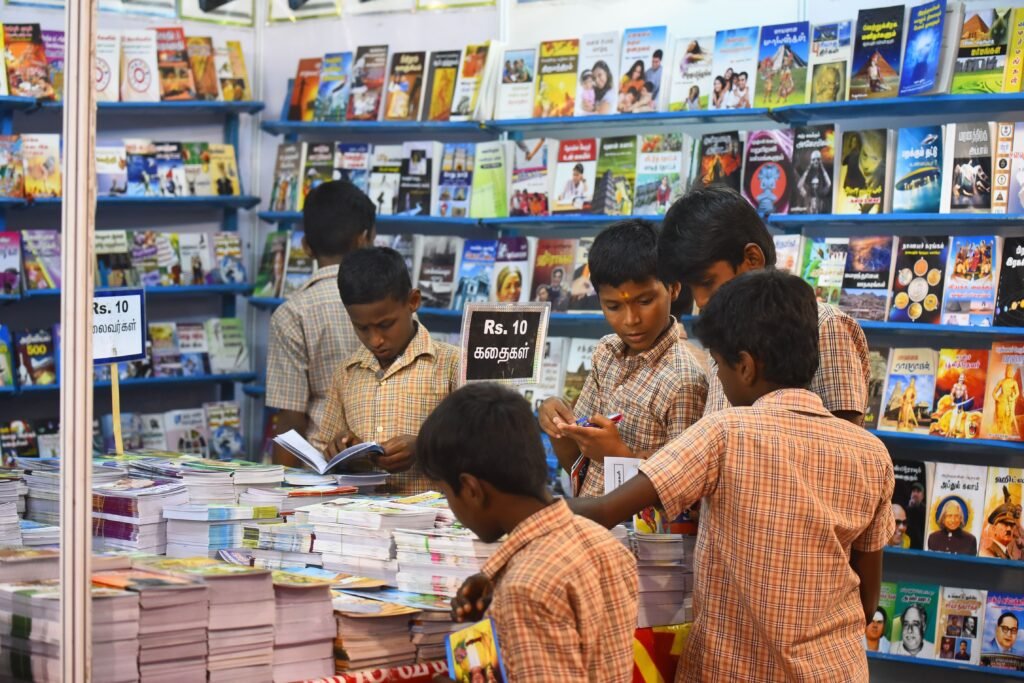
There are many ways through which children can develop general knowledge and practical knowledge, such as:
- Reading newspapers and age-appropriate magazines
- Reading different types of books
- Watching informative television programmes
- Watching educational videos
- Exploring reliable information on the internet
- Visiting new places
- Talking to different people
- Observing everyday life
- Asking questions and discussing different topics
These experiences introduce children to subjects that may never appear in their school curriculum.
Knowledge is like an ocean—it cannot be confined to a small area. The more children explore, the more they discover.
Children Can Learn From Different People
Books and the internet are not the only sources of knowledge. People can also be wonderful sources of learning.
When children meet different people, they come across different experiences, professions, opinions and ways of looking at life.
A teacher may teach them something about education. A grandparent may share stories from the past. A sportsperson can explain discipline and teamwork. Someone working in a completely different profession may introduce them to a field they have never considered before.

We cannot expect one person to know everything. Even parents don’t know everything.
And that is perfectly normal.
Instead of pretending that we have all the answers, we can tell our children, “I don’t know. Let’s find out together.”
That simple approach can encourage children to become curious learners.
Textbooks Cannot Teach Everything About Life
There are many important lessons that children need in life that may not be explained in their school textbooks.
For example:
- How should they behave in different situations?
- How should they respond when they feel uncomfortable?
- How can they communicate confidently?
- How can they handle failure?
- How should they react when someone disagrees with them?
- How can they solve everyday problems?
- How can they make sensible decisions?
- How can they develop self-confidence?
These are also important forms of knowledge.
Children can learn many of these skills through real-life experiences, conversations, books, educational programs and age-appropriate online content.
Parents Have an Important Role
As parents, we have an important role in helping our children explore the world beyond their textbooks.
Suppose our child becomes curious about something. We can first discuss the topic based on whatever knowledge we have. If the child wants to know more, we can encourage them to explore further.
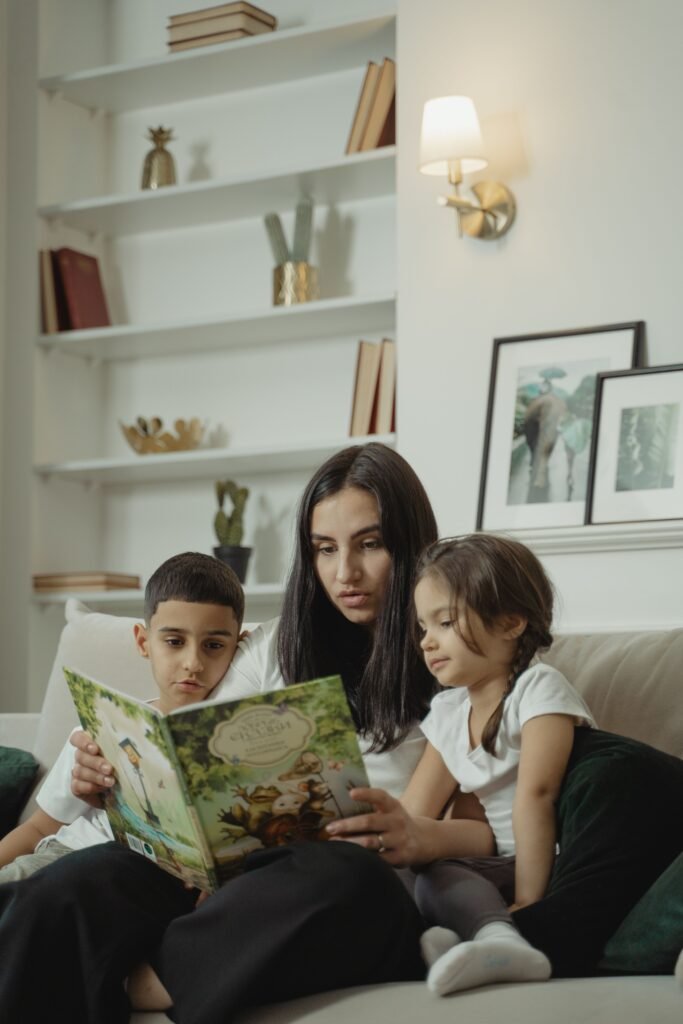
We can say:
“Let’s read about it.”
“Why don’t we watch an informative video about it?”
“Let’s find out together.”
This encourages children to develop curiosity, research skills and independent learning habits.
Of course, parents cannot possibly know everything. We don’t need to.
Our responsibility is not to provide every answer ourselves. Sometimes our responsibility is simply to guide our children towards reliable sources where they can find the answers.
Encourage Curiosity, Not Just Good Marks
Academic performance is important, but marks should not be the only measurement of a child’s knowledge.
A child may score excellent marks in every subject and still have limited knowledge about the world outside the classroom. On the other hand, a child who is curious about different subjects may continue learning long after the school lesson is over.
We should therefore encourage our children to ask questions, explore different subjects and learn from different sources.
Good education is not only about remembering information. It is also about understanding, exploring, questioning and applying knowledge in real life.
Knowledge Beyond Textbooks Helps Children Grow
The knowledge children gain during their childhood becomes part of their understanding of the world.
When academic knowledge is combined with general knowledge, practical understanding, communication skills and real-life experiences, children can develop a broader perspective.
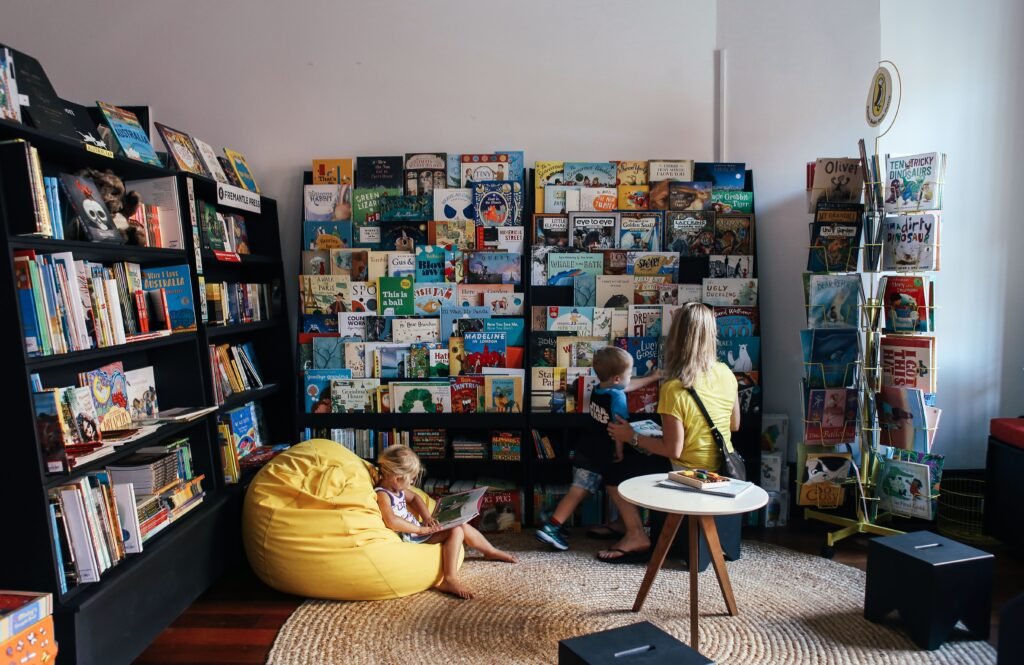
They begin to understand that the world is much bigger than their classroom and much more interesting than a single textbook.
As parents, we should therefore help our children balance their academic studies with opportunities to explore the world around them.
Let them read different books. Let them watch informative programs. Let them ask questions. Let them meet different people. Let them explore reliable information online. Most importantly, let them remain curious.
Because education should not end when a child closes a textbook.
The world itself is a classroom, and there is always something new to learn.
Your Opinion
What do you think about this? Do you feel that school textbooks are enough for children, or should they also explore the world beyond their textbooks?
I would love to hear your thoughts and experiences. Please feel free to share your perspective in the comments section.
3 responses to “Textbook Knowledge Is Not Enough For Children”
[…] find something that inspires, comforts, or helps you along the way.https://ritusamhita.com/Textbook Knowledge Is Not Enough For Childrenhttps://ritusamhita.com/Why Parents Should Monitor Children’s Screen […]
[…] find something that inspires, comforts, or helps you along the way.https://ritusamhita.com/Textbook Knowledge Is Not Enough For Childrenhttps://ritusamhita.com/Why Parents Should Monitor Children’s Screen […]
[…] find something that inspires, comforts, or helps you along the way.https://ritusamhita.com/Textbook Knowledge Is Not Enough For Childrenhttps://ritusamhita.com/Why Parents Should Monitor Children’s Screen […]